Many apartment buildings across Los Angeles—from the iconic mid-century complexes in the San Fernando Valley to the historic four-plexes of Silver Lake—share a common, hidden vulnerability: their electrical panels. Most rent-controlled buildings in LA are still operating on the original electrical infrastructure installed between the 1950s and 1970s. While these systems were revolutionary at the time, they were never designed to handle the digital and high-amperage demands of the 21st century.
For a landlord, the tension is real. Upgrading a multi-unit electrical system is a significant capital expenditure. However, failing to upgrade creates a mounting pile of liabilities, ranging from fire hazards and constant tenant complaints to the very real possibility of losing insurance coverage. In a city governed by strict tenant protections, navigating an infrastructure overhaul requires a strategic approach.
This guide explores the technical, legal, and financial realities of upgrading electrical panels in Rent Stabilization Ordinance (RSO) buildings. We’ll cover why modern panels are no longer optional, how the Los Angeles Housing Department (LAHD) views these upgrades, and the steps you can take to protect your investment while staying compliant.
Why Older Panels Are a Problem in Rent Controlled Buildings
If your building was constructed several decades ago, there is a high probability it contains “Stab-Lok” or “Zinsco” panels. At the height of the LA building boom, these were industry standards. Today, they are considered significant safety hazards by electrical engineers and fire marshals alike.
Thousands of LA apartments still rely on Federal Pacific Electric (FPE) and Zinsco panels. Testing has shown that these specific brands have a high failure rate; specifically, the circuit breakers often fail to trip when overloaded. When a breaker doesn’t trip, the current continues to flow, causing the wires to overheat and potentially ignite the surrounding structure.
Beyond the catastrophic risk of fire, outdated panels lead to persistent tenant dissatisfaction. In an era where tenants are simultaneously running portable air conditioners, high-end gaming computers, and air fryers, a 60-amp or 100-amp panel simply cannot keep up. Frequent breaker trips and flickering lights aren’t just nuisances—they are signs that your building’s “heart” is struggling to pump electricity safely.
Insurance Requirements Are Changing
A major shift is occurring in the California insurance market: providers are no longer looking the other way. In the past, an older panel might have resulted in a slightly higher premium. Now, many insurers are flatly refusing to renew policies for buildings with known Zinsco or FPE panels.
Landlords are increasingly receiving “non-renewal” notices unless they can provide proof of a professional electrical panel upgrade in Los Angeles. Even if you aren’t dropped, you may face staggering premium increases.
If you are a property owner, you should proactively ask your insurance agent two questions:
Does my current policy have an exclusion for damages caused by specific outdated panel brands?
Would a building-wide panel upgrade qualify us for a “hardened building” discount?
Replacing your panels isn’t just about safety; it’s about maintaining the insurability of your asset.
What the LA Rent Stabilization Ordinance (RSO) Says About Upgrades
One of the biggest hurdles for LA landlords is the cost. However, the City of Los Angeles provides a legal mechanism for owners to recoup these costs: the Capital Improvement Pass-Through.
Under the RSO, an electrical panel service and replacement is generally considered a “Capital Improvement” because it is a permanent addition that adds value to the property and prolongs its life.
How Landlords Can Recoup Costs
Landlords can apply to the LAHD to “pass through” a portion of the upgrade costs to tenants. Typically, this allows you to recover 50% of the cost of the improvement through a temporary monthly increase in rent (often capped at a small percentage of the current rent).
The LAHD Application Process
To successfully pass through these costs, you must follow a specific process:
Apply within 12 months of completing the work.
Provide copies of all permits and final inspection sign-offs.
Provide proof of payment and itemized invoices.
Navigating the LAHD can be daunting, but choosing an electrician who provides clear, permit-backed documentation makes the application much smoother.
What a Panel Upgrade Actually Involves
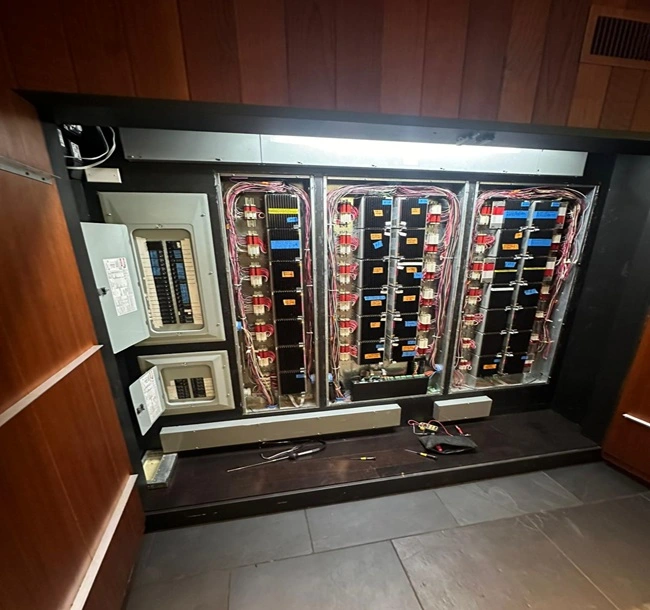
Upgrading a multi-unit building is more complex than a single-family home. Most modern units require a jump from 100A to 200A to support modern lifestyles and future EV charger installations.
Timeline and Coordination
A standard unit-to-unit upgrade typically takes 1 to 2 days per unit. However, the main service upgrade—the part where we coordinate with LADWP to bring more power from the street to the building—requires more extensive planning.
Tenant Coordination
We understand that your tenants’ lives are disrupted during this process. We provide temporary power solutions for critical items like refrigerators when necessary and work efficiently to minimize the “dark hours” in the building. Coordination is key to avoiding friction with RSO tenants.
Permits and Inspection
Whether you need an electrical panel upgrade in Pasadena or within Los Angeles city limits, every project requires a city permit. We handle the load calculations and the city inspector walkthrough to ensure the building is officially “cleared.”
How Much Does It Cost to Upgrade Panels in a Multi-Unit Building?
The cost of a multi-unit upgrade varies significantly based on the age of the existing wiring. If the building’s internal wiring is in good condition, we can often perform a “panel swap” and service upgrade. If the wiring is brittle or ungrounded, the scope increases.
Factors that affect the price include:
The number of units: Scaling the project can often reduce the per-unit cost.
Accessibility: Is the main switchgear in a basement, a narrow closet, or on an exterior wall?
Utility requirements: Does LADWP require a new transformer or trenching to support the increased load?
While it’s tempting to go with the lowest bid, landlords should look for contractors who specialize in multi-meter commercial systems. A cheap job that fails a city inspection can end up costing twice as much in delays and legal fees.
Talk to an Electrician Who Understands Landlord Needs
At PowerRoute Electric, we don’t just see ourselves as technicians; we see ourselves as partners in your property management strategy. We understand the nuances of Los Angeles rent control, the pressure from insurance companies, and the need to keep tenants happy during construction.
Whether you own a small duplex or a large-scale apartment complex, we can provide a comprehensive assessment of your building’s current electrical health. We’ll help you prioritize your upgrades to maximize safety and legal cost-recovery options.
Protect your investment and your tenants today.
Call PowerRoute Electric at (818) 200-6572 for a free assessment of your building’s electrical system.