Pasadena homes built before 1970 typically have galvanized steel water pipes, clay sewer lines, and cast iron drain stacks. All three materials wear out. The result is low water pressure, rusty water, recurring sewer backups, and hidden leaks that cause expensive damage. If your home is in Bungalow Heaven, Madison Heights, Linda Vista, or any of Pasadena’s historic neighborhoods, this guide covers what is in your walls, what problems to expect, and when to replace aging pipes before an emergency forces the decision.
You fell in love with your 1925 Craftsman in Bungalow Heaven. The built-ins, the hardwood floors, the character you cannot find in new construction. What you did not fall in love with was the plumbing.
That low water pressure in the upstairs bathroom. The brownish tint to the water first thing in the morning. The sewer that backs up every few months.
These are symptoms of plumbing systems that have reached the end of their designed lifespan. After working on hundreds of older Pasadena homes since 2014, we have seen every plumbing problem these houses produce. This guide breaks down what is likely hiding in your walls, what to watch for, and when to consider replacement before an emergency makes the decision for you.
What Is Hiding in Your Older Home’s Walls
Different eras of construction used different plumbing materials. Knowing when your home was built tells you what you are dealing with.
Galvanized Steel Water Pipes (1920s–1960s)
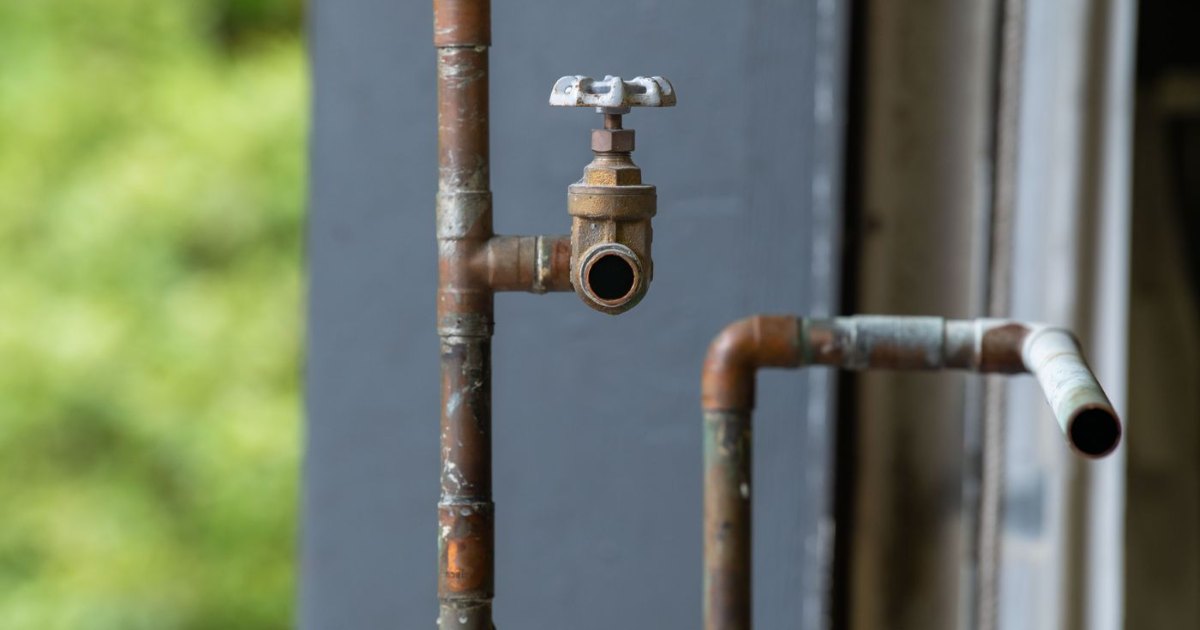
If your Pasadena home was built before 1960, your water supply pipes are almost certainly galvanized steel. These pipes were coated with zinc to prevent rust, but that coating wears away over time. Once it does, the pipes rust from the inside out.
The rust buildup does two things. It narrows the pipe opening, reducing water pressure. And it flakes off into your water, creating that rusty color you see in the morning. Galvanized pipes have a lifespan of 40 to 70 years. Most in Pasadena are well past that range.
Clay Sewer Lines (Pre-1970)
Before plastic pipe became standard, sewer lines were made of vitrified clay. These pipes were installed in short sections joined together. Over decades, the joints separate, the clay cracks, and the pipe settles unevenly.
Clay pipes do not fail all at once. They develop cracks and gaps that tree roots find. The roots grow inside the pipe, causing recurring clogs. Eventually the pipe collapses entirely.
In neighborhoods with mature trees like Bungalow Heaven and Madison Heights, tree root intrusion is the number one cause of sewer problems.
Cast Iron Drain Stacks (Pre-1975)
The large vertical pipes that carry waste from bathrooms to the sewer line were typically cast iron. These pipes are durable, but after 50 to 80 years, they develop pinhole leaks. This happens most often at joints and horizontal sections where water sits.
Cast iron failure is sneaky. A pinhole leak in a wall goes unnoticed for months while it damages framing and creates mold. The first sign is often a musty smell or water stains that seem to appear from nowhere.
Lead Service Lines and Solder (Pre-1986)
Some older Pasadena homes have lead service lines connecting them to the city water main. Lead solder was also common for joining copper pipes until it was banned in 1986. The health risks of lead in drinking water are well documented by the EPA.
Pasadena Water and Power (pwpweb.com) can tell you if your home has a lead service line. If you are concerned about lead, water testing is affordable and gives you clear answers.
Common Plumbing Problems in Older Pasadena Homes
Aging plumbing systems create predictable problems. Here is what to watch for and what each symptom tells you.
Low Water Pressure Throughout the House
When galvanized pipes corrode internally, they can lose 50 to 75 percent of their interior diameter in severe cases. A pipe that started at 3/4 inch might now have less than 1/4 inch of actual opening. The result is low water pressure, especially on upper floors and at the ends of pipe runs.
If your water pressure has gradually declined over years, or if running one fixture dramatically affects another, corroded galvanized pipes are the likely cause. No amount of cleaning fixes this. The pipes need to be replaced.
Rusty or Discolored Water
Rust-colored water that clears after running the tap for a minute indicates corroded galvanized pipes. The rust that accumulates overnight flushes out when you first use the water. If the discoloration continues after running the water for several minutes, the corrosion is more advanced.
One quick diagnostic: rusty water from hot water taps only usually means your water heater tank is corroding, not your pipes. If the discoloration comes from both hot and cold taps, your supply pipes are the problem.
Recurring Sewer Line Clogs
If your main sewer line clogs every 3 to 6 months, tree roots are almost certainly involved. Roots enter through cracks in clay pipes and grow until they block the entire line. You clear them. They grow back.
Repeated root clearing is a temporary fix. Each time roots are cut, they grow back faster and denser. The permanent solutions are replacing the damaged section of pipe or relining the sewer line with a cured-in-place liner (CIPP).
Hidden Leaks in Walls and Under Slabs
Pinhole leaks in aging pipes go undetected for months. Watch for unexplained increases in your water bill, musty smells, water stains that appear without obvious cause, warped flooring, or mold growth.
Some older Pasadena homes have water supply lines running under the slab foundation. When these leak, water saturates the soil beneath your foundation. By the time you notice wet carpet or flooring, significant damage has already occurred. Slab leak detection and repair requires specialized equipment.
──────────────────────────────────────────────────
Seeing any of these signs? Call PowerRoute Plumbing at (323) 616-2829 for a free plumbing assessment. We tell you what is in your walls and whether you need repairs now or have time to plan.
──────────────────────────────────────────────────
Problem Severity Guide: When to Act
Not every plumbing problem in an older home requires emergency service. Some need immediate attention. Others give you time to plan and budget. Use this guide to prioritize.
Problem | Urgency | Signs | Action |
Sewer backup into home | Emergency | Sewage in tubs, toilets, floor drains | Call a plumber now |
Active water leak | Emergency | Visible water, wet walls, rising water bill | Shut off water, call a plumber |
No hot water | Urgent (24–48 hrs) | Water heater not heating, strange noises | Schedule same-day or next-day service |
Recurring sewer clogs | Soon (1–2 weeks) | Main line backs up every 3–6 months | Camera inspection, plan for repair or reline |
Low water pressure | Plan ahead | Gradual decline, worse on upper floors | Get a repipe estimate, budget for replacement |
Rusty water (clears quickly) | Plan ahead | Brown water in morning, clears after 30 sec | Test water quality, plan for repipe |
Musty smell (no visible source) | Investigate now | Smell in walls, unexplained water stains | Leak detection inspection |
Mistakes That Damage Old Plumbing Pipes
Older plumbing requires a different approach than modern systems. These common mistakes accelerate deterioration.
Using Harsh Chemical Drain Cleaners
Chemical drain cleaners generate heat and damage already-fragile pipes. In homes with aging cast iron or clay pipes, these products speed up deterioration. Use enzyme-based drain treatments or call a professional for stubborn clogs.
Ignoring Small Problems
A small leak in an old pipe does not stay small. Corrosion spreads. What starts as a drip becomes a stream. In older homes, small problems often signal system-wide deterioration. Address them early.
DIY Repairs on Old Pipe Systems
Old galvanized pipes are brittle. Threaded connections that have not been touched in 60 years snap when you try to work on them. Cast iron is heavy and requires proper support. Clay sewer pipes collapse if disturbed without proper technique. Leave aging plumbing work to professionals who handle these materials regularly.
Patching Instead of Replacing
Every repair on aging pipes is temporary. The pipe that leaked in one spot will leak somewhere else within months. At some point, patching costs more than replacing. A plumber familiar with your system will tell you when you have reached that crossover point.
Planning for Replacement on Your Terms
Replacing aging plumbing is a significant investment. Doing it proactively, on your schedule, costs less and causes less disruption than emergency work.
A whole-house repipe (replacing all water supply pipes) typically runs $4,000 to $15,000 depending on home size and accessibility. Sewer line replacement costs $3,000 to $12,000 depending on length and excavation requirements. These prices reflect the Pasadena area as of 2025 and vary by project.
Many homeowners time major plumbing work with other renovations. If you are opening walls for a kitchen remodel, that is the ideal time to address the pipes behind them. Planning ahead lets you budget and minimize disruption to your daily routine.
Own an Older Pasadena Home? Talk to Us About Your Plumbing
PowerRoute Plumbing works on older Pasadena homes every day. Since 2014, we have helped homeowners in Bungalow Heaven, Madison Heights, Linda Vista, and across the city understand their aging plumbing and make informed decisions about repair versus replacement.
We offer free consultations for homeowners considering repiping or sewer line replacement. We assess your current system, explain your options, and give you an honest recommendation. No pressure. No surprises.
Every job comes with a 2-year labor warranty and upfront pricing with no overtime fees.
Call (323) 616-2829 to schedule a plumbing assessment of your older home. Tell us what you are experiencing. We give you a straight answer about what your home needs.