A plumbing emergency can happen without warning. A burst pipe, overflowing toilet, sewer backup, or major water leak can quickly cause property damage if it is not addressed immediately. Knowing what to do in the first few minutes can help reduce water damage, protect your home, and make the repair process easier once a licensed plumber arrives.
Whether you own a home, rental property, or commercial building, having a plan can save valuable time during an emergency.
Stay Calm and Assess the Situation
The first step is to identify what type of plumbing emergency you are dealing with. Some issues require immediate action, while others can safely wait until normal business hours.
Common plumbing emergencies include:
- Burst or leaking water pipes
- Sewer line backups
- Overflowing toilets
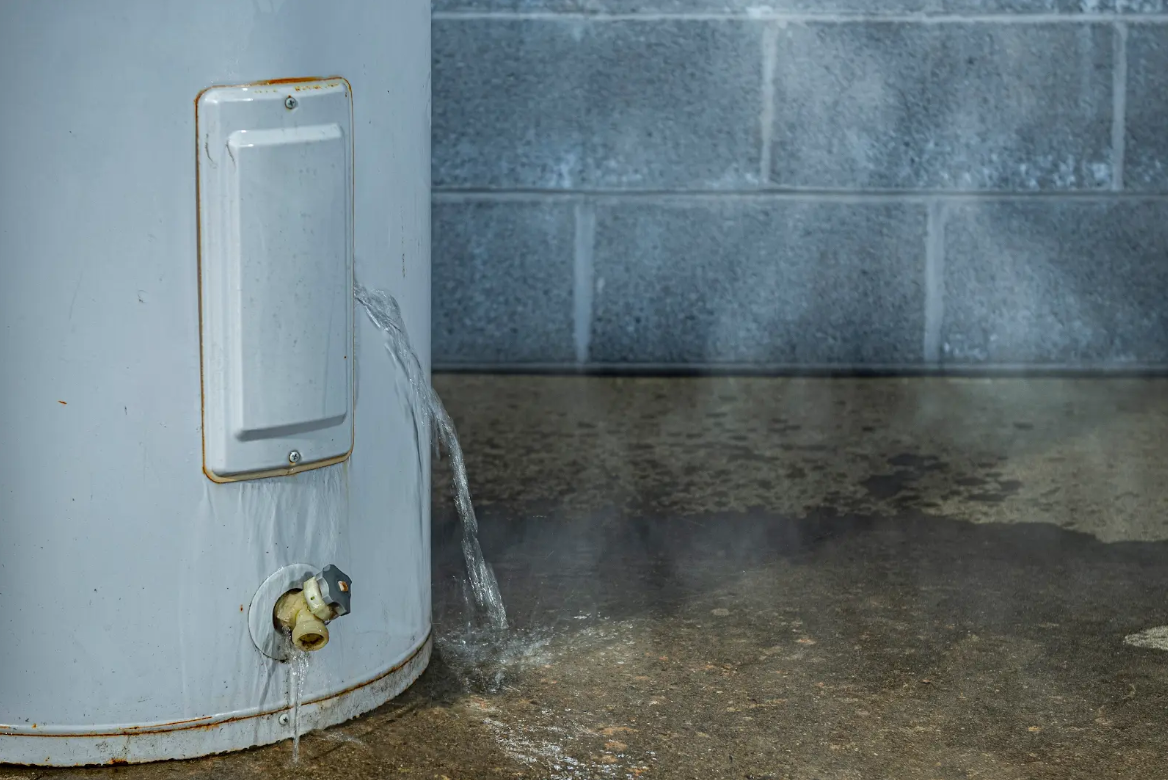
- Water heater leaks
- Major drain blockages affecting multiple fixtures
- Broken water supply lines
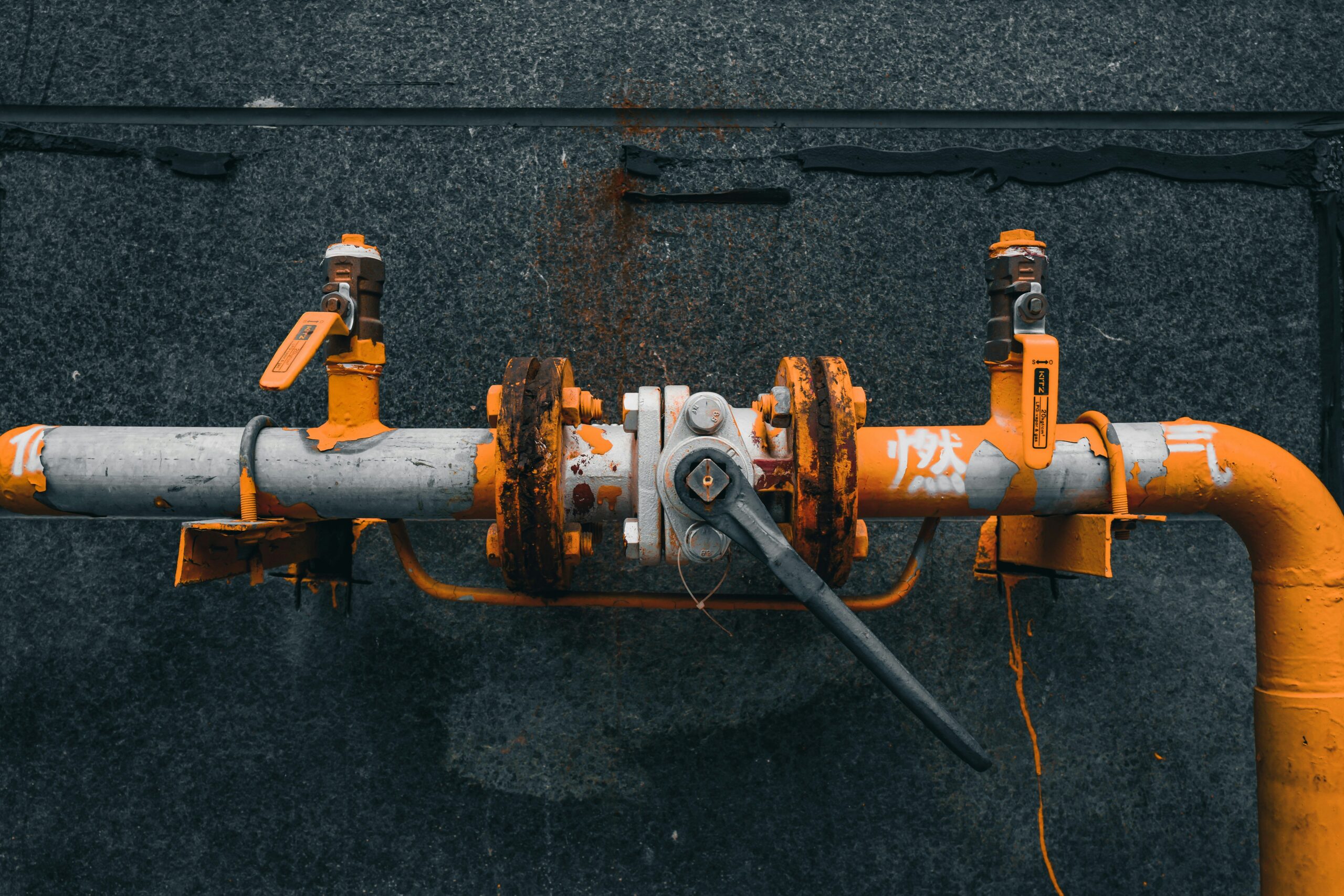
- Gas line concerns involving plumbing equipment
If water is actively flowing or wastewater is backing up into your home, treat the situation as an emergency and contact an emergency plumber in Los Angeles right away.
Shut Off the Water Supply
Stopping the flow of water is the most important step you can take to reduce damage.
For isolated fixtures such as sinks or toilets, look for the shutoff valve located beneath or behind the fixture.
If you cannot stop the leak locally, shut off the main water supply to your property. Every homeowner should know where this valve is located before an emergency occurs.
Once the water is off:
- Open nearby faucets to relieve pressure.
- Avoid turning the water back on until repairs have been completed.
- Keep family members away from standing water if electrical hazards may be present.
Turn Off Electricity if Necessary
If water is approaching electrical outlets, appliances, or your breaker panel, turn off power to the affected area only if it is safe to do so.
Never walk through standing water if electrical components may be energized. If you are unsure, wait for emergency responders or qualified professionals.
Contain the Water
While waiting for a plumber, try to minimize additional damage.
You can:
- Use towels or mops to absorb water.
- Place buckets beneath active leaks.
- Move furniture, rugs, and electronics away from wet areas.
- Protect wood flooring whenever possible.
- Improve airflow using fans if it is safe.
Quick action can reduce repair costs and help prevent mold growth.
Avoid Using Chemical Drain Cleaners
If the emergency involves a clogged drain or backed up sewer line, avoid pouring chemical drain cleaners into the plumbing system.
These products often fail to clear serious blockages and may damage older pipes. They can also create hazardous conditions for plumbers performing repairs.
If recurring clogs are becoming a problem, scheduling professional drain cleaning can help prevent future emergencies.
Know When to Leave the Property
Some plumbing emergencies create health or safety risks that require occupants to leave the building.
You should evacuate and call emergency services if you notice:
- A strong gas smell
- Significant flooding affecting electrical systems
- Sewage backing up throughout the property
- Structural damage caused by water
Your safety should always come before protecting the property.
Call an Emergency Plumber
Once the immediate situation is under control, contact a licensed emergency plumbing company.
An experienced plumber can:
- Locate the source of the problem
- Stop active leaks
- Repair damaged plumbing components
- Restore water service safely
- Recommend permanent repairs if temporary measures were necessary
If you need immediate assistance, our team responds quickly to urgent plumbing issues throughout the area.
Document the Damage
If your home has experienced significant water damage, take photographs before cleanup begins.
Document:
- Damaged walls
- Flooring
- Cabinets
- Personal belongings
- Standing water
- Visible pipe failures
These records may help if you need to file an insurance claim.
Prevent Future Plumbing Emergencies
While not every emergency can be prevented, regular maintenance greatly reduces the likelihood of unexpected failures.
Helpful preventive measures include:
- Inspect exposed plumbing for leaks.
- Replace aging supply lines.
- Schedule routine drain cleaning.
- Address slow drains before they become complete blockages.
- Repair small leaks promptly.
- Flush your water heater as recommended.
- Know the location of your main water shutoff valve.
Routine inspections often identify small problems before they become expensive emergencies.
If you have older plumbing or have experienced repeated leaks, repiping services can help prevent more serious plumbing emergencies in the future.
Plumbing Emergencies Common in Los Angeles
Many plumbing emergencies in Los Angeles are caused by a combination of aging infrastructure, tree root intrusion, shifting soil, and older galvanized plumbing found in some neighborhoods.
These conditions can contribute to:
- Pipe leaks
- Sewer line blockages
- Water pressure issues
- Corroded plumbing systems
- Unexpected pipe failures
Prompt repairs and routine inspections can help catch these issues early before they lead to costly water damage.
Frequently Asked Questions
What qualifies as a plumbing emergency?
A plumbing emergency is any plumbing problem that causes uncontrolled water leaks, sewage backups, loss of water service, or creates a safety hazard requiring immediate professional attention.
Should I turn off my water if a pipe bursts?
Yes. Shut off the nearest fixture valve if possible. If that does not stop the leak, turn off your home’s main water supply immediately.
Can I use my plumbing after a sewer backup?
No. Avoid using sinks, toilets, showers, or appliances connected to the plumbing system until the blockage has been cleared.
If you want to learn more about recognizing urgent plumbing problems, read our guide on signs you need an emergency plumber.
Does homeowners insurance cover plumbing emergencies?
Coverage depends on your insurance policy and the cause of the damage. Sudden accidental pipe failures are often covered, while damage resulting from deferred maintenance may not be.
Get Fast Help During a Plumbing Emergency
Plumbing emergencies can escalate quickly, causing extensive water damage and costly repairs if left untreated. Taking immediate action by shutting off the water, protecting your property, and contacting a qualified plumber can help limit the damage and restore your plumbing system as quickly as possible.
If you need immediate assistance, contact PowerRoute Electric & Plumbing for emergency plumbing services in Los Angeles. Our experienced team is ready to respond quickly and provide reliable repairs when you need them most.