
Whole House Repiping in Van Nuys, CA
PEX and copper repipes across the San Fernando Valley.
Much of Van Nuys and the central Valley was built in the late 1940s and 1950s, when galvanized steel was the standard water supply pipe. Seventy years later, that pipe is rusting shut from the inside. We replace it with PEX or copper, pull the permit, pass inspection, and patch every wall we open.


Tell us the age of the home, how many bathrooms it has, and what you see at the taps. We schedule a walk-through and send a written quote.

Why Valley Homes Outgrow Their Original Pipes
Galvanized steel pipe is coated in zinc. Over decades the zinc wears away, the steel underneath rusts, and mineral scale builds on the rough inner wall. The pipe narrows a little every year. Nothing looks wrong from outside until pressure drops, the water runs brown, or a joint starts to weep inside a wall.
Spot repairs fix one section, but every untouched foot of the same pipe is the same age. Once you are fixing leaks in different rooms, a whole house repipe replaces every supply line from the main shutoff to each fixture in one planned job, instead of a string of emergency calls. The buried line from the meter to that shutoff is separate work, covered on our main water line repair page.
Copper homes from the 1960s on have a different problem. Pinhole leaks show up where copper has thinned from the inside. One pinhole is a repair. A pattern of them is a repipe conversation.
- Serving LA County Since 2014
- Licensed C-36 Plumbing
- PEX and Copper Both Installed
- Walls Patched After Inspection
Signs You Need Repiping
One symptom on its own usually calls for a repair. Two or more across the house point to the pipe itself. For the full checklist, read our guide to the signs you need repiping.
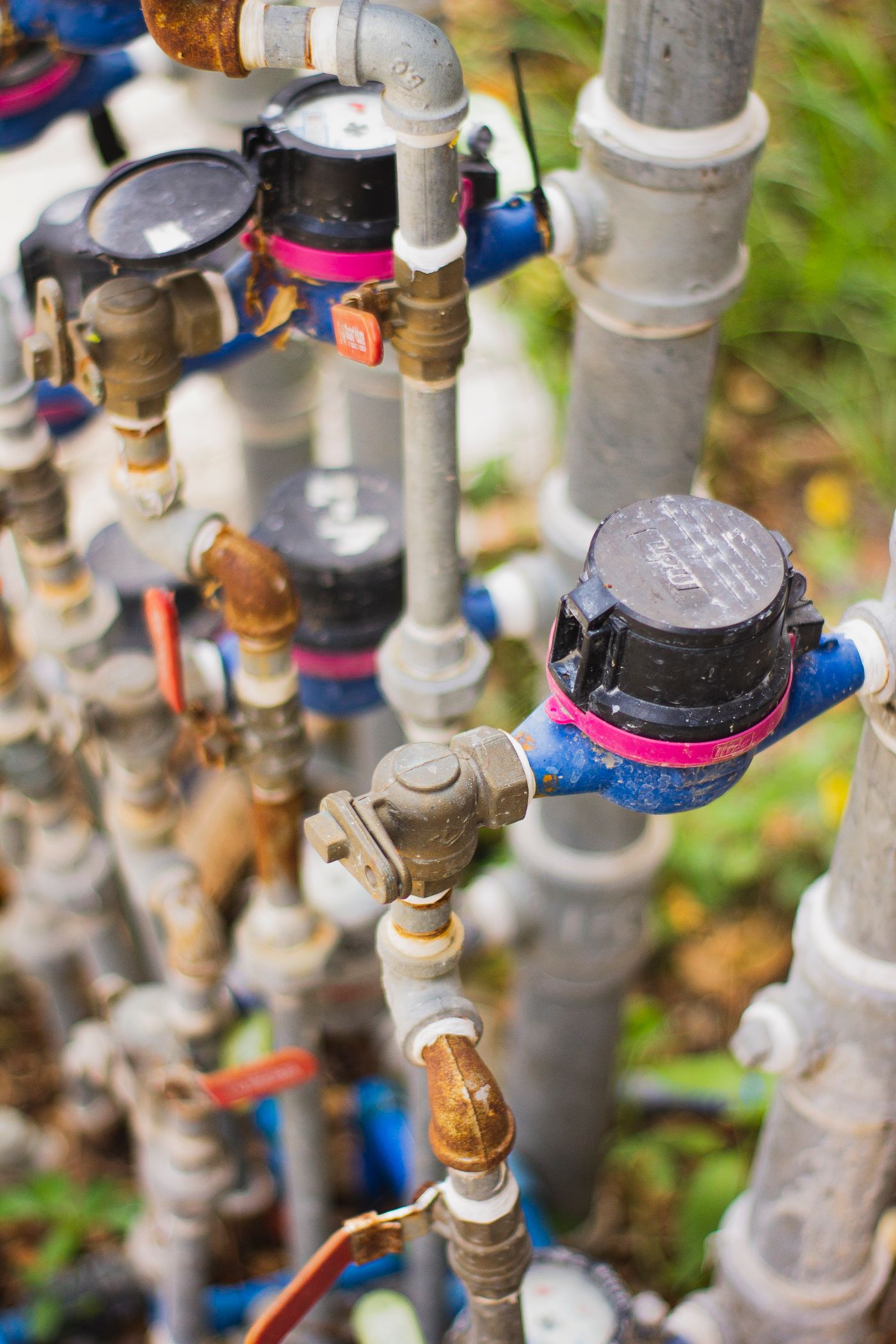
Low Water Pressure
Weak flow at several fixtures at once, worst upstairs or at the far end of the house, means scale has narrowed the lines. A clogged aerator affects one tap. Corroded pipe affects them all.
Rusty or Brown Water
Discolored water after the tap sits overnight, or only on the hot side, points to rust inside galvanized lines or a failing water heater. We check both before recommending either.
Pinhole Leaks
Small leaks in copper show up as a damp spot, a stain on drywall, or a water bill that keeps climbing. They mean the pipe wall has thinned, and where one appears, others tend to follow.
Repeat Repairs
If you have patched three or more leaks in two years, repair spending is already heading toward the cost of a repipe, and the next leak is still coming.

Seeing Two or More? Get a Walk-Through
Tell us the age of the home and what you see at the taps. We schedule a walk-through and send a written quote for PEX and copper.
PEX vs Copper for Your Repipe
Both materials are approved for water supply under the California Plumbing Code, and both last decades when installed correctly. The right pick depends on budget, how the house is framed, and how long you plan to stay.
Most Valley repipes we quote use PEX. It bends around framing, so it runs with fewer fittings and fewer wall openings, and it costs less in material and labor. Type L copper costs more and takes longer to install, but it is rigid, tolerates heat, and some buyers look for it at resale. We price both on request so you compare on paper.
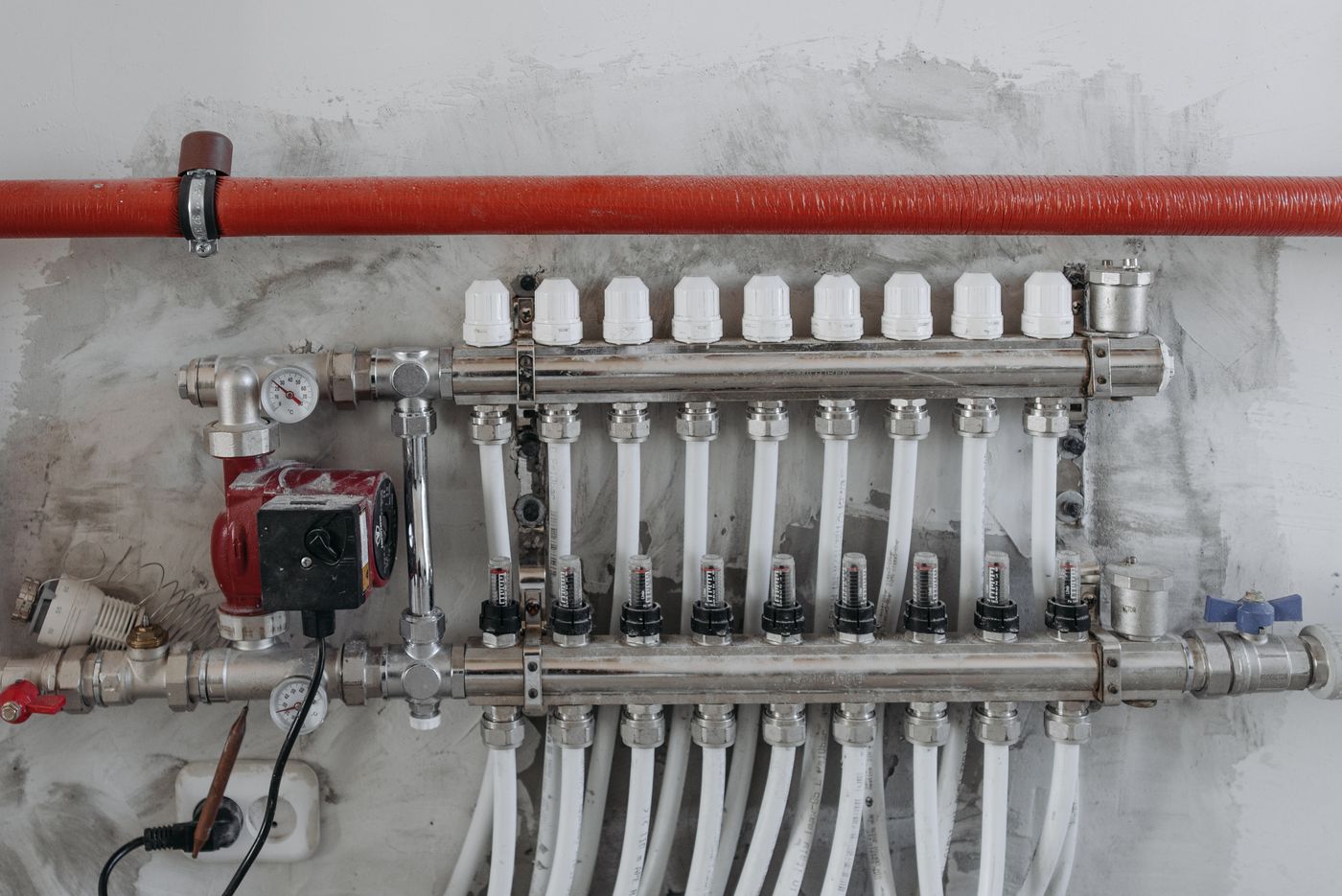
PEX: Lower Cost, Fewer Wall Openings
- Lower Cost. National cost guides price a PEX repipe several thousand dollars below copper on the same house, mostly because it installs faster.
- Fewer Wall Openings. Flexible lines snake through framing in long runs, so we open fewer and smaller access holes than a rigid copper job needs.
Copper: Long Track Record, Higher Price
- Long Track Record. Copper has served California homes for generations, tolerates heat near the water heater, and holds up in exposed runs.
- Higher Price. Copper material and soldered joints add cost and labor. Expect a higher quote and a longer job on a multi-bath home.
Every Line Mapped Before the First Wall Is Opened
We replace failing galvanized and copper lines with PEX or copper, pull the permit, pass inspection, and patch every wall we open. Call our Van Nuys shop to schedule a walk-through.
How Long a Whole House Repipe Takes
A typical single-story Valley home with one or two bathrooms takes two to five working days from first cut to final patch. Larger homes, two-story houses, and copper jobs run longer. We shut off the water during work hours and restore it at the end of the day whenever the work allows, so the house stays livable.
If your water heater is near the end of its life, the repipe is the cheapest time to replace it, since the lines are already open. See water heater installation for tank, tankless, and heat pump options.
- 01
Day 1: Protect and Map
Floors and furniture get covered. We trace every supply line and mark small, planned access openings.
- 02
Days 1 to 3: New Lines In
New PEX or copper runs from the main shutoff to each fixture. Old pipe is cut off and abandoned in place where pulling it would mean more demolition.
- 03
Pressure Test and Inspection
The new system holds test pressure, then the city inspector signs off, all before any wall closes.
- 04
Final Days: Patch and Clean
Access openings are closed, taped, and textured. Work areas are cleaned at the end of each day.


Drywall Patching After a Repipe
A repipe means opening walls. The goal is to open as few as possible, keep them small, and leave nothing for you to chase down afterward. Most access cuts land behind fixtures, inside closets, or under sinks, where a patch is hard to spot.
Once the inspector signs off, every opening is closed with new drywall, taped, mudded, and textured to match the surrounding wall. Paint is spelled out in your written quote, so you know before work starts whether the final coat is included.
Small, Planned Cuts
We map the route first, then cut only where a line needs to pass or connect.
Matched Texture
Patches are textured to blend with the wall around them, whether smooth, orange peel, or knockdown.
Paint Spelled Out
Your written quote states whether paint is included, so the finish is never a surprise.
Daily Cleanup
Dust barriers go up where we cut, and work areas are cleaned before we leave each day.
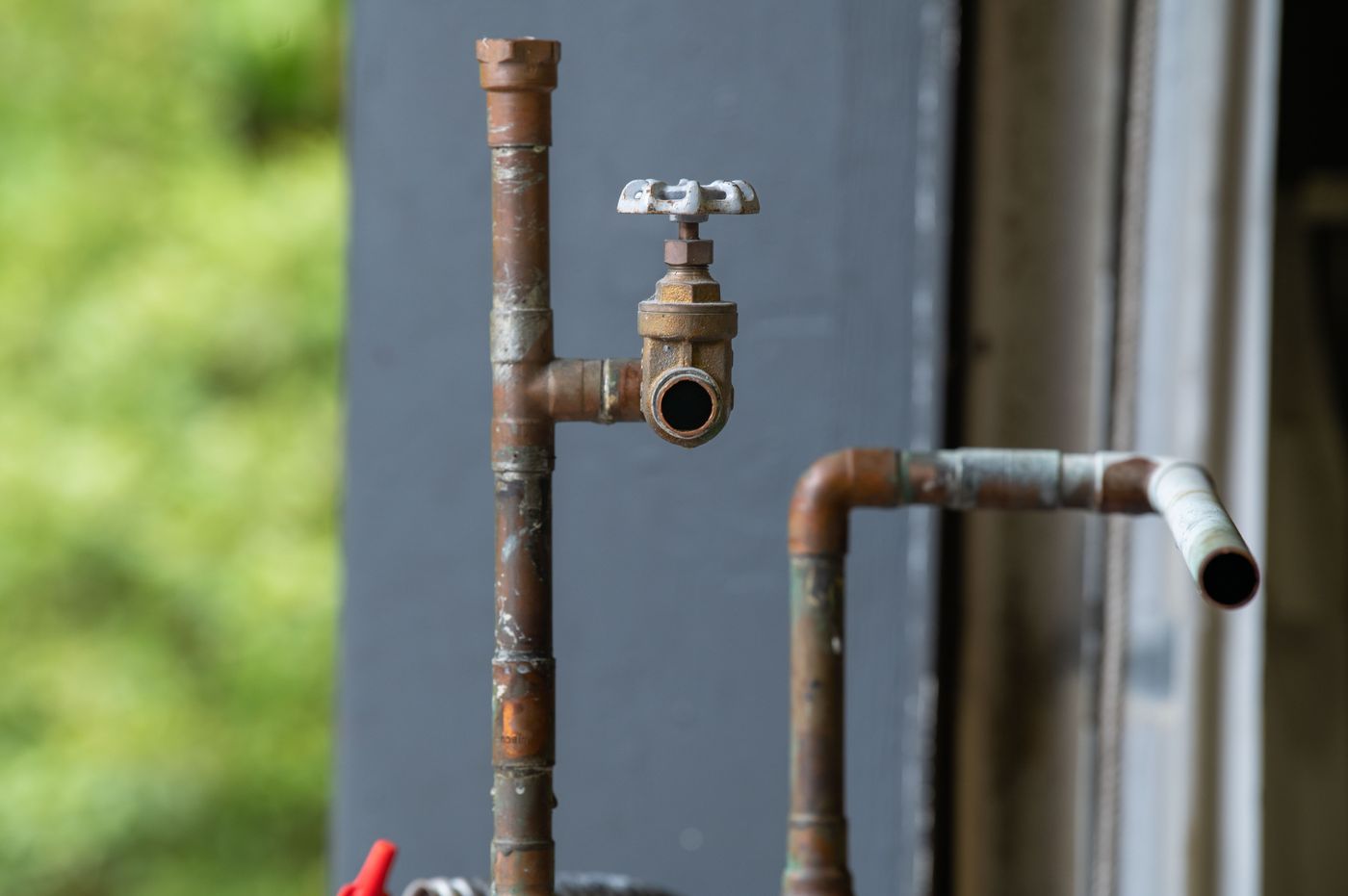
Slab Leaks and Repiping
Many Valley homes sit on concrete slabs with supply lines buried underneath. When a line under the slab fails, you notice a warm spot on the floor, the sound of running water with every tap off, or a water meter that keeps moving.
The first step is finding the leak without breaking concrete blindly. Our leak detection service pinpoints it. A single failure is often fixed with a targeted slab leak repair. A second slab leak is usually the signal to reroute supply lines overhead through the attic and walls, a repipe that takes the replaced water-supply lines out of the slab for good. Our slab leak repair cost guide for Los Angeles compares pricing for spot repair, reroute and repipe.
Permits and Inspections on Your Repipe
Replacing the water supply piping in a Los Angeles home requires a plumbing permit from the Los Angeles Department of Building and Safety (LADBS). Homes in Burbank, Glendale, and other cities outside LA city limits go through that city’s building department instead.
We pull the permit, schedule the inspection, and meet the inspector on site. New lines are pressure tested before walls close, and you keep the signed permit record. An unpermitted repipe tends to surface during a home sale, when it costs far more to fix.
Permit Pulled for You
LADBS or your city building department, filed before work starts.
Pressure Tested
New lines are tested under pressure before anything is covered.
Inspected and Signed Off
A city inspector approves the work, and you keep the record.
What Affects Repiping Cost
We quote after a walk-through, because two houses with the same square footage can price very differently. These four factors move the number most.
Bathrooms and Fixtures
Every sink, toilet, tub, shower, and appliance hookup is a connection. Fixture count drives cost more than square footage.
Pipe Material
PEX prices below copper on the same house. Copper adds material cost and soldering time.
Stories and Access
Two-story homes, finished ceilings, and tight attics take longer to route than a single story with open attic space.
Patching, Permits, and Extras
Drywall repair, permit fees, and add-ons like new shutoff valves or a pressure regulator are part of the total.
What Homeowners Typically Pay
Angi’s 2026 Los Angeles cost data puts the average repipe in Los Angeles at about $8,500, with jobs ranging from roughly $1,700 for a small partial repipe to $17,000 for a large home. National cost guides published for 2026 put a standard two to three bedroom whole house repipe at about $4,000 to $10,000 in PEX and $6,000 to $15,000 or more in copper.
Drywall repair for typical access openings runs roughly $300 to $900 in Angi’s Los Angeles data, and more on homes that need many openings. Permit fees are a smaller line item, generally $50 to $500 in Angi’s national repiping cost guide.
Your quote comes after we see the house, so these ranges are context for reading the estimate, not a price for your job.
Why Valley Homeowners Choose PowerRoute for Repiping
Licensed California Plumbers
Repipes are handled by our licensed C-36 plumbing crew, insured and permitted on every job.
Written Quote Before Work
You get the scope, pipe material, permit, and patching terms in writing before the first cut.
PEX or Copper, Your Choice
We install both and price both on request, so you compare real numbers.
Fewer, Smaller Openings
Routes are mapped first to keep wall cuts small and out of sight where the framing allows.
Water Back Most Evenings
Shutoffs are scheduled around work hours so the house stays livable during the job.
Plumbing and Electrical Under One Roof
If walls are open and the wiring needs attention too, one company handles both trades on one schedule.
Don't Take It From Us! Hear It From Our Happy Customers
“Very professional and easy to work with. Albert is always going above and beyond for his clients. Anything you need, he will always be there to help!”
“They went above and beyond by giving us a breakdown of what the cheaper option vs the best solution would look like in terms of cost and long term solution. Power Route was very transparent and delivered high quality work.”
“From the first call to the final installation, their team was professional, punctual, and extremely knowledgeable. They took the time to explain the process, answered all my questions, and completed the work efficiently and neatly.”
Repiping Across Van Nuys and the San Fernando Valley
PowerRoute repipes homes from our shop on Saticoy Street in Van Nuys. Crews cover Van Nuys, Sherman Oaks, Encino, Lake Balboa, North Hollywood, Panorama City, Reseda, Northridge, Studio City, and the rest of the San Fernando Valley, plus Burbank and Glendale.
For other plumbing work in the area, see our plumber in Van Nuys page. Northridge tract homes from the 1950s and 1960s often still have galvanized supply pipe. See our plumber in Northridge page for repiping, slab leak and sewer work there. For repiping and other plumbing work in North Hollywood, Sun Valley and Valley Village, see our North Hollywood plumbing page. Homeowners in the San Gabriel Valley can use our Pasadena pipe repair and repiping service.
- Van Nuys
- Sherman Oaks
- Encino
- North Hollywood
- Studio City
- Lake Balboa
- Reseda
- Valley Village
- Panorama City
- North Hills
- Northridge
- Granada Hills
- Sun Valley
- Tarzana
- Woodland Hills
- Burbank
- Glendale
- Pasadena
Related Plumbing Services in Van Nuys
Whole House Repiping FAQs
Common questions about whole house repiping, pipe materials, timelines, permits, and what happens to your walls.
Look for two or more of these at once: low pressure at several fixtures, rusty or brown water, repeated pinhole leaks, or galvanized steel pipe original to a home built before the 1960s. One isolated leak usually calls for a repair. A pattern across the house points to the pipe itself.
Most single-story Valley homes with one or two bathrooms take two to five working days, including the inspection and drywall patching. Two-story homes, larger homes, and copper jobs take longer. Your quote lists the expected schedule.
Both meet the California Plumbing Code and both last decades. PEX costs less, installs faster, and needs fewer wall openings, which is why most of our Valley repipes use it. Copper costs more but is rigid, heat tolerant, and preferred by some buyers. We price both on request.
We shut off the water during work hours and restore it at the end of the day whenever the work allows. Most homeowners stay in the house through the whole job.
Yes. After the inspector signs off, every access opening is closed with new drywall, taped, mudded, and textured to match. Your written quote states whether paint is included.
Yes. Replacing the water supply piping in a home in the City of Los Angeles requires a plumbing permit from LADBS. Burbank, Glendale, and other cities issue their own. We pull the permit and meet the inspector.
Angi's 2026 data puts the Los Angeles average at about $8,500, with a range of roughly $1,700 to $17,000. National 2026 guides put a two to three bedroom home at about $4,000 to $10,000 in PEX and $6,000 to $15,000 or more in copper. Your price depends on fixtures, stories, material, and access, so we quote after a walk-through.
Yes. Instead of breaking up the slab, we usually reroute the supply lines overhead through the attic and walls. This moves the replaced water-supply lines out of the slab, avoiding future leaks from those abandoned lines.
Get Your Repipe Quoted
Tell us the age of the home, how many bathrooms it has, and what you see at the taps. We schedule a walk-through and give you a written quote for PEX and copper.