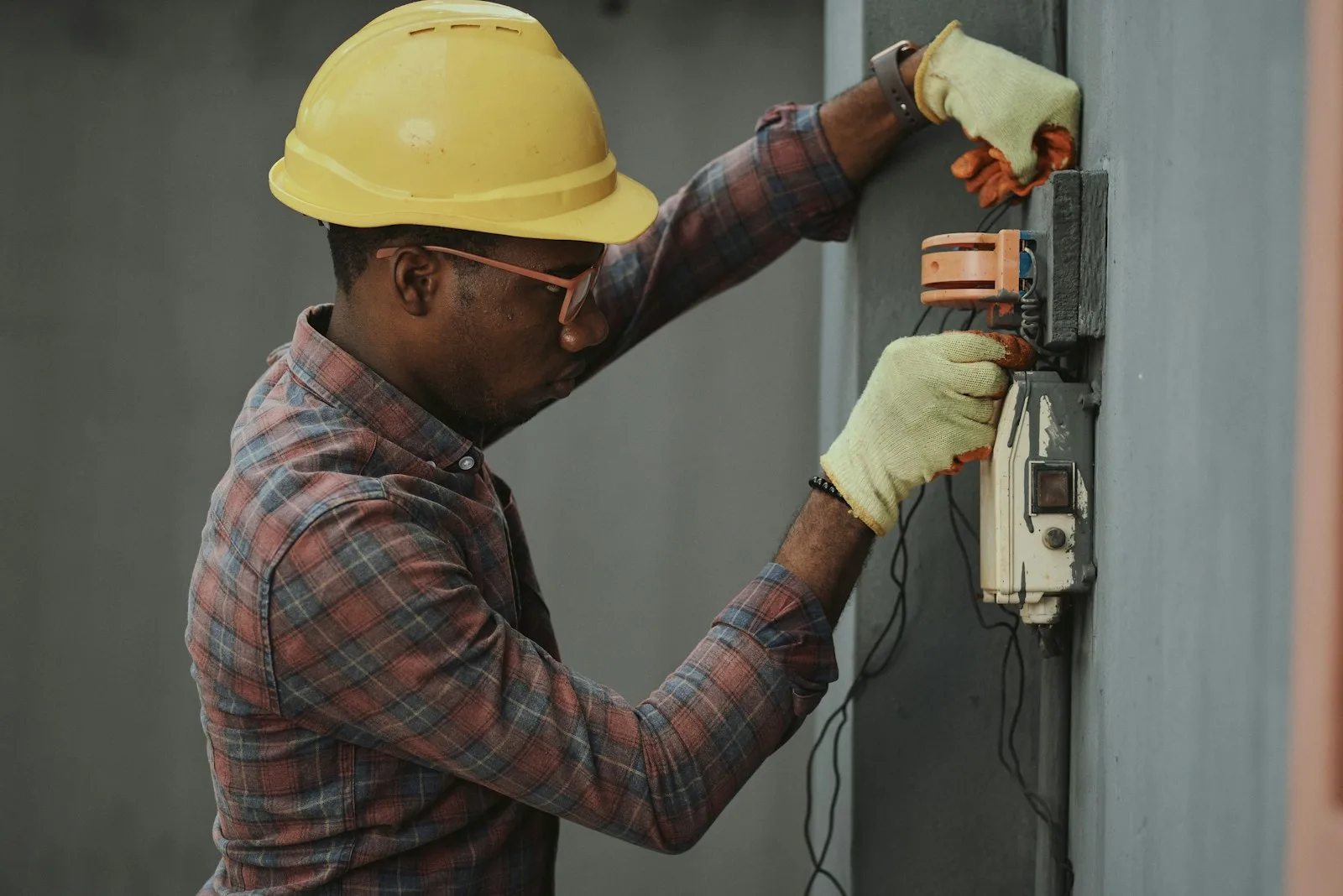
Hiring the right electrician is critical for your home’s safety, energy efficiency, and long-term functionality. Electrical work is inherently complex and potentially hazardous, so choosing a licensed and experienced professional ensures that repairs, upgrades, or installations are done safely and correctly. Whether you own a historic Craftsman bungalow in Bungalow Heaven or a modern home elsewhere in Pasadena, knowing how to evaluate electricians can save time, money, and stress.
This guide provides a comprehensive overview of key factors to consider, types of electricians, red flags to watch for, pricing considerations, and answers to common questions homeowners ask.
Key Factors to Consider When Choosing an Electrician
Experience and Hands-On Expertise
An electrician’s experience is a critical factor. Experienced electricians have handled a wide variety of issues and can troubleshoot problems quickly. Look for professionals with years of hands-on experience, a diverse portfolio, and familiarity with both residential and commercial systems.
Licensing, Insurance, and Certifications
Always verify that your electrician is fully licensed and insured. Licensing ensures they meet state requirements and follow safety codes. Insurance protects you and your home in case of accidents. Additional certifications, such as GFCI installation, EV charger expertise, or industrial electrical training, indicate specialized knowledge.
Reputation and Trustworthiness
A strong reputation is a sign of reliability. Check online reviews, request references, and ask neighbors or friends for recommendations. A trustworthy electrician communicates clearly, provides transparent estimates, and consistently delivers quality work.
Familiarity with Local Requirements
Your electrician should understand the City of Pasadena Building Department’s permit processes and be familiar with Pasadena Water and Power (PWP) requirements for service upgrades and reconnections. This local knowledge streamlines projects and prevents delays.
Types of Electricians
There are several types of electricians, each with a specific focus:
1. Residential Electricians: Handle home repairs, panel upgrades, wiring, lighting, and appliances.
2. Commercial Electricians: Work on office buildings, retail spaces, and business electrical systems.
3. Specialty Electricians: Such as EV charger installers, solar panel electricians, or automation specialists.
Understanding the type of electrician you need helps ensure you hire someone qualified for your specific project.
7 Things to Know Before Hiring an Electrician
1. Licensing and Certification
Ensure your electrician holds a valid license for your state and possesses any relevant certifications. Confirm their license status online or through your local licensing board.
2. Experience and Specialization
Ask about the electrician’s years of experience and the types of projects they’ve completed. Specialized work, like EV chargers or complex panel upgrades, requires specific expertise.
3. References or Reviews
Request references from previous clients and check online reviews. Consistent positive feedback is a strong indicator of quality and reliability.
4. Warranty or Guarantee
A reputable electrician should provide a warranty for labor and sometimes parts. This ensures that if issues arise after the work is completed, they will be addressed promptly.
5. Pricing, Estimates, and Timelines
Discuss pricing upfront and request a detailed written estimate. Understand what the estimate includes, the expected timeline, and any potential additional costs. In Pasadena, typical rates range from $100 to $150 per hour for licensed contractors.
6. Emergency Services
Some electricians offer 24/7 emergency service. If you live in an older home or have high-risk electrical issues, this can be invaluable.
7. Insurance Coverage
Confirm that your electrician carries liability and workers’ compensation insurance. This protects you in case of accidents, damage, or injuries during the project.
Signs of an Unreliable Electrician
Be cautious if an electrician exhibits any of the following red flags:
- Inconsistent communication or missed appointments.
- Lack of proper licensing or insurance.
- Refusal to provide a written estimate.
- No warranty or guarantee on completed work.
- Negative reviews or poor references.
Hiring an unreliable electrician can result in incomplete, unsafe, or costly work, making early vetting essential.
Importance of Experience When Choosing an Electrician
Experience plays a crucial role in ensuring electrical work is performed safely, efficiently, and to code. An experienced electrician can quickly diagnose problems, handle complex projects, and provide reliable solutions. When evaluating an electrician, consider both their years of hands-on work and the variety of projects they have completed.
Verifying Credentials and Ensuring Fair Pricing:
- Check Licensing and Insurance: Confirm the electrician’s license is valid through the state licensing board and verify their liability and workers’ compensation insurance.
- Request Proof of Credentials: Ask the electrician to provide proof of current licensing, insurance, and any specialized certifications relevant to your project, such as EV charger installation or panel upgrades.
- Obtain Multiple Quotes: Collect several estimates to compare labor and material costs, ensuring competitive and fair pricing.
- Detailed and Transparent Estimates: Look for a breakdown of all costs, timelines, and scope of work. Avoid professionals who provide vague estimates or attempt to hide potential fees.
- Clear Communication: Choose electricians who explain the pricing structure, answer questions, and outline any potential additional costs.
Understanding Electrical Pricing and Estimates
Obtaining several quotes ensures competitive pricing and helps you understand the market rate for your project. A comprehensive estimate lists labor costs, materials, project scope, expected timeline, and any contingencies. Beware of vague estimates, unusually low prices, or pressure tactics. A professional electrician provides clear, upfront costs.
Electrical Projects and Their Costs:
| Project | Typical Cost Range | Notes |
| Outlet Installation | $100 – $250 per outlet | Includes labor and materials |
| Circuit Breaker Replacement | $150 – $350 | Depends on panel size |
| Lighting Installation | $150 – $500 per fixture | Includes wiring and labor |
| Panel Upgrade | $1,000 – $3,000 | Depends on amperage and complexity |
| EV Charger Installation | $500 – $1,200 | Depends on charger type and wiring |
| Whole-House Rewiring | $8,000 – $20,000 | For older homes or major renovations |
Pros and Cons of Hiring a Company vs. an Independent Electrician
Hiring a Company
Pros:
- Larger teams can handle bigger projects.
- Often insured and licensed.
- Offers emergency support and warranty options.
Cons:
- Higher overhead costs may lead to higher pricing.
- Less personal communication compared to a single contractor.
Hiring an Independent Electrician
Pros:
- Lower costs due to reduced overhead.
- More personalized service.
- Often faster response for small jobs.
Cons:
- May lack resources for larger projects.
- Limited emergency support or warranties.
How to Decide Which Is Best?
Consider the project’s scope, urgency, and complexity. Large-scale or specialized projects often benefit from a licensed company, while small repairs may be well-suited for a qualified independent electrician.
Frequently Asked Questions
How Do I Choose the Right Electrician for My Pasadena Home?
Look for an electrician with a valid California C-10 license and insurance. Check their experience with Pasadena homes, particularly if yours is historic. Read reviews from local homeowners and ask for references. Make sure they give clear estimates, explain the project timeline, and can coordinate with PWP and the City Building Department.
What Qualifications Should a Licensed Electrician Have?
A licensed electrician should have a state-issued license. They should also have liability and workers’ compensation insurance. Extra certifications for specific work, like EV chargers or GFCI outlets, show advanced skills. Proper qualifications keep your home safe and ensure the work is done correctly.
How Can I Tell if an Electrician Is Reputable?
Check online reviews and ratings. Ask for references and examples of past projects. A reputable electrician communicates clearly, provides detailed estimates, and completes work on time. They should offer warranties or guarantees for their work.
What Questions Should I Ask Before Hiring an Electrician?
Ask about their experience and certifications. Check if they provide warranties and emergency service. Clarify costs, project timeline, and what the estimate includes. These questions help you avoid surprises and ensure the electrician can handle the job.
How Do I Verify an Electrician’s License and Insurance?
Check the license through your state board. Ask the electrician to show proof of insurance. Confirm the expiration date. If your project needs special certifications, check those too. This makes sure the electrician is qualified and safe to hire.
Should I Get Multiple Quotes Before Hiring?
Yes. Getting several quotes helps you compare prices. It also shows which electrician offers the best plan and timeline. Multiple quotes help you avoid hidden costs and choose the right professional.
Conclusion
Choosing the right electrician is crucial for your Pasadena home’s safety, efficiency, and long-term reliability. By considering experience, licensing, reputation, pricing, and local knowledge, you can make an informed decision. Always prioritize safety and transparency, and don’t hesitate to call a licensed professional for complex or emergency electrical work. Whether you’re addressing historic home challenges, upgrading for an EV charger, or handling routine repairs, careful selection ensures your home remains protected and your electrical systems function flawlessly for years to come.