If your home is showing small plumbing quirks that keep coming back, you may be wondering whether a full repipe is on the horizon. A repipe replaces the aging water lines running through your walls, floors, and ceilings with modern, code approved materials. Most homeowners do not decide on repiping overnight. They notice a series of warning signs, live with them for a while, and eventually reach a point where patching no longer makes sense.
This guide walks through the signs you need repiping, starting with mild symptoms and moving toward the more serious ones. It also explains the common pipe materials found in different generations of homes, how to weigh a partial repipe against a whole house repipe, what affects repiping cost, and what to expect during the project itself. The goal is to help you make an informed decision, not to push you toward one. When you are ready to talk with a licensed plumber, our team is here to help.
Common Signs You May Need a Whole-House Repipe
Plumbing rarely fails all at once. It sends signals first. Below are the most common signs homeowners notice, arranged roughly from least severe to most severe. A single symptom on its own does not always mean you need a whole house repipe, but when several appear together, it is usually time to schedule a professional inspection.
Unexpected Increases in Your Water Bill
A water bill that creeps up without any change in how much water your household uses is often the first quiet clue that something is wrong. Small leaks inside walls or under floors can waste water continuously long before you ever see a drip. If your usage looks steady but your bill keeps rising, it is worth having a plumber check for hidden leaks before the problem grows.
Low Water Pressure Affecting Multiple Fixtures
Weak flow at a single faucet usually points to a local issue like a clogged aerator. Low pressure that shows up across several fixtures at once is different. It often means the interior of your pipes is narrowing from mineral buildup or corrosion, restricting how much water can move through the system. When pressure drops throughout the house, the pipes themselves are frequently the cause, and repiping may be the lasting fix.
Discolored or Rusty Water
Water that comes out with a yellow, brown, or reddish tint is a sign that the inside of your metal pipes is corroding. As galvanized steel ages, its interior coating breaks down and rust flakes into the water supply. You might notice the discoloration most after the water has been sitting overnight. Occasional rusty water after street work can be harmless, but repeated discoloration from your own fixtures usually signals aging pipes that need attention. If the tint appears only on the hot side, the cause may sit inside the tank rather than the supply lines, which is worth ruling out with water heater repair before planning a repipe.
Water That Never Runs Clear
It is one thing for water to run brown for a few seconds and then clear up. It is another for it to stay cloudy or tinted no matter how long you let it run. Water that never fully clears points to advanced internal corrosion throughout the plumbing system. At that stage, cleaning or isolated repairs rarely help, and a whole house repipe is often the more reliable solution.
Visible Pipe Corrosion
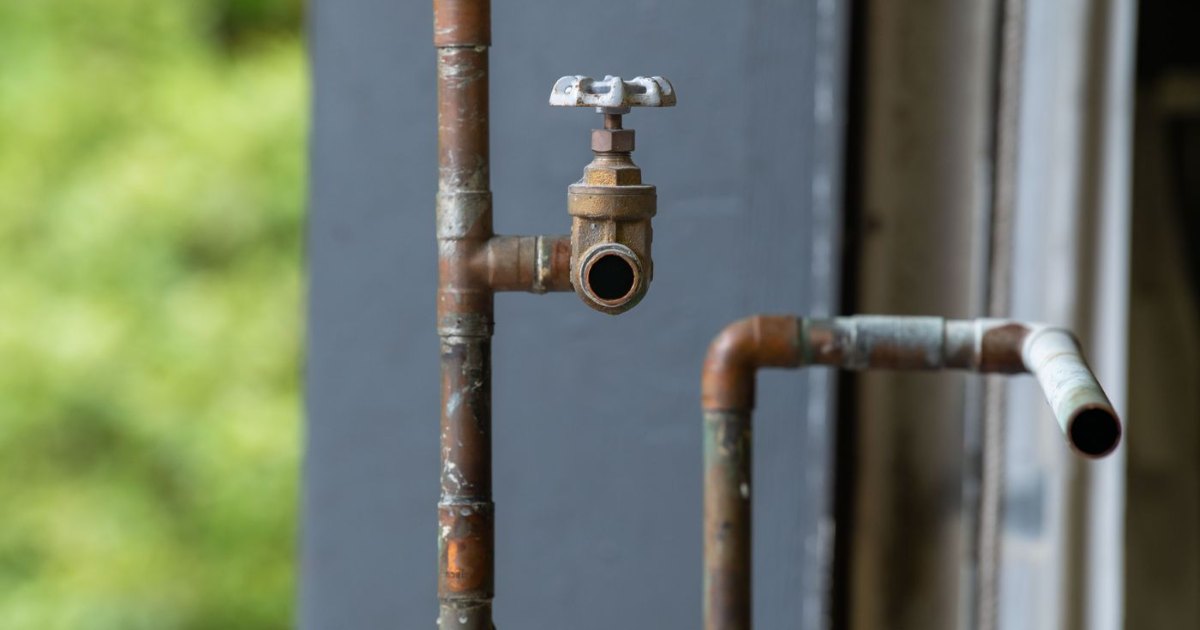
If you can see your pipes in a basement, crawl space, or under a sink, take a look at their condition. Flaking, discoloration, dimpling, or a greenish or rust colored crust on the surface are all signs of corrosion. What is visible on the outside often reflects worse wear on the inside. Visible corrosion on multiple runs of pipe is a strong indicator that the system is aging as a whole.
Repeated Pinhole Leaks
Pinhole leaks are tiny punctures that form as pipes corrode from the inside out. The first one might seem like bad luck. When a second and third appear across different parts of the house, a pattern is forming. Repeated pinhole leaks tell you the pipe material is failing in more than one place, and chasing each leak individually tends to cost more over time than replacing the system.
Frequent Plumbing Repairs
If you feel like you are calling a plumber several times a year for a new leak or fitting failure, the repair frequency itself is a warning sign. Each individual fix may be small, but the total keeps climbing. When repairs become a recurring line item in your household budget, it is worth asking whether that money would be better invested in a complete repipe. It also helps to separate supply problems from waste line problems, since recurring slow or backed up fixtures point toward drain cleaning rather than a repipe.
Aging Plumbing Systems
Sometimes the clearest sign is simply age. Plumbing materials have finite lifespans, and a system installed many decades ago is naturally closer to the end of its service life. If you own an older home and have never had the original water lines evaluated, a professional inspection can tell you what you are working with and roughly how much life remains. Knowing this early lets you plan a repipe on your own schedule rather than during an emergency.
Pipe Materials by Home Age
Understanding what your pipes are made of helps explain why certain problems appear and how long your system is likely to last. Different eras of home construction favored different materials, each with its own strengths and weaknesses.
Galvanized Steel in Many Homes Built Before 1960
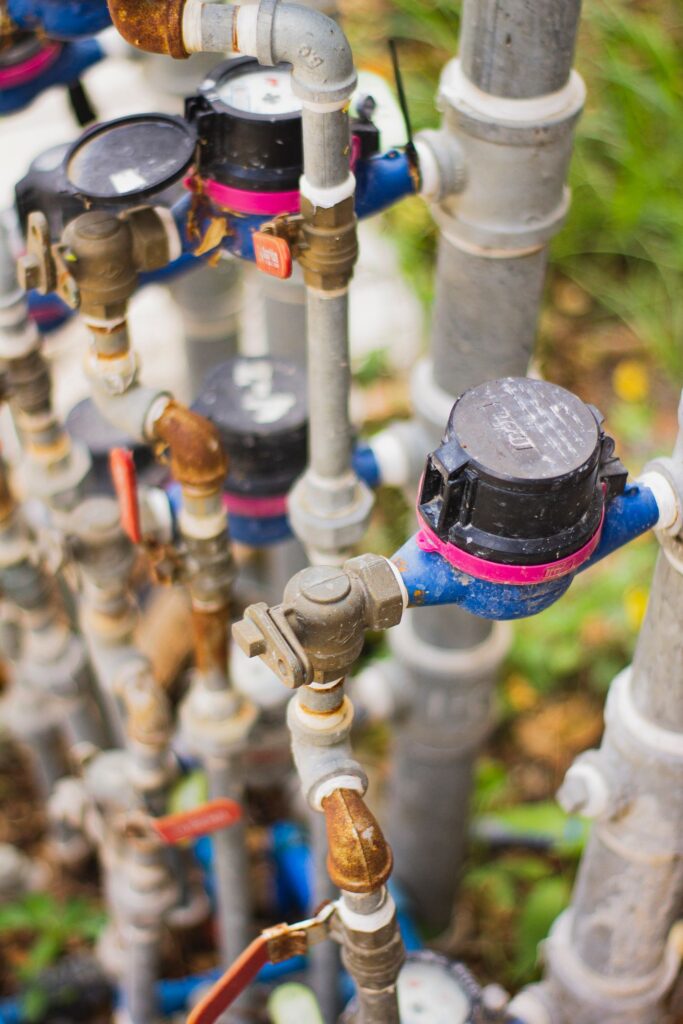
Galvanized steel was the standard for water supply lines in many homes built before 1960. The pipe is steel coated with a layer of zinc to slow rust. Over the decades, that zinc layer wears away and the steel underneath begins to corrode from the inside. This is the material most associated with rusty water, shrinking water pressure, and pinhole leaks. Galvanized systems can last several decades, but many have now passed their useful life, which is why repiping is a common consideration in older neighborhoods. Plumbing from this era can also include lead based solder or a lead service line, and the EPA guidance on lead in drinking water explains why older supply plumbing is worth testing.
Copper Piping
Copper became widely used from the mid twentieth century onward and remains a respected choice today. It resists corrosion better than galvanized steel, handles heat well, and can last a long time under good water conditions. Its main drawbacks are cost and the fact that it is not immune to pinhole leaks, particularly where water chemistry is aggressive. Homes with copper often have a longer runway before repiping, though age and local water conditions still matter.
Polybutylene Piping
Polybutylene was a flexible gray plastic pipe installed in many homes from the late 1970s through the 1990s. It was inexpensive and easy to work with, but it developed a reputation for becoming brittle and failing at the fittings over time. If your home has polybutylene, it is generally worth having it evaluated, since many homeowners choose to replace it proactively rather than wait for unexpected failures.
Modern PEX Systems
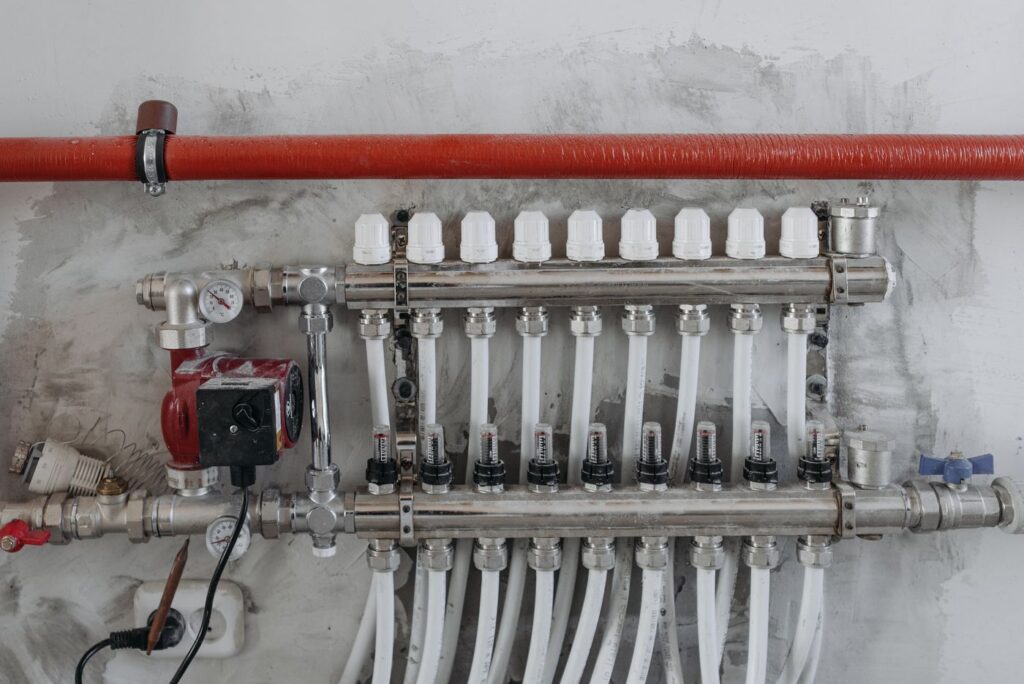
PEX is a flexible plastic piping that has become a popular choice for repiping and new construction. It resists corrosion and scale buildup, tolerates temperature swings well, requires fewer fittings because it bends around corners, and is often faster to install than rigid pipe. Like any material it is not indestructible, but it offers a durable, code approved option that many homeowners select when they upgrade an aging system.
Partial Repipe vs. Whole-House Repipe
Not every plumbing problem calls for replacing the entire system. Part of making a smart decision is understanding when a targeted repair is enough and when a full replacement is the better value.
When a Localized Repair May Be Enough
If your plumbing is generally sound and a single section has failed, a partial repipe or spot repair can be the right call. This is often the case when a specific run of pipe was damaged, when only one area of the home shows trouble, or when the rest of the system is a durable material in good condition. A localized fix costs less up front and is less disruptive.
When Repeated Repairs Become More Expensive Than Replacement
The picture changes when leaks and failures keep appearing in different places. Each repair carries its own cost for labor, access, and patching walls afterward. When those costs stack up year after year, they can quietly exceed what a complete repipe would have cost. If you find yourself repairing the same aging system again and again, replacement is often the more economical path in the long run.
The Long-Term Value of a Complete Repipe
A whole house repipe replaces the entire water distribution system at once with modern materials. Beyond ending the cycle of surprise leaks, it can restore consistent water pressure, improve water clarity, and give you a system that should serve the home for decades. It also simplifies future maintenance and can be a point of confidence when it comes time to sell. The honest tradeoff is a larger up front investment and more disruption during installation, which is why it makes the most sense when the whole system is aging rather than just one part.
What Does a Whole-House Repipe Cost?
Homeowners understandably want a number, but repiping cost varies widely from one property to the next. Rather than a single price, it helps to understand the factors that move the total up or down so you can set realistic expectations for the Los Angeles area.
- Home size: Larger homes have more piping, more fixtures, and more distance to cover, all of which increase labor and materials.
- Pipe material: The material you choose, such as copper or PEX, affects both the cost of materials and the labor to install them.
- Accessibility: Pipes that run behind finished walls, under slab foundations, or in tight crawl spaces take more time to reach than exposed lines, which raises cost.
- Number of fixtures: Every sink, shower, tub, toilet, and appliance connection adds to the scope of the work.
- Existing plumbing condition: Homes with heavy corrosion, prior damage, or outdated layouts may require extra work to bring everything up to current standards.
- Permit requirements: Permits and inspections are part of doing the job correctly, and their cost varies by jurisdiction.
Because these variables differ so much between homes, the most accurate way to understand your cost is an on site evaluation. A licensed plumber can assess your specific situation and give you a clear, itemized estimate rather than a guess.
How Long Will the Water Be Off?
One of the most common questions homeowners ask is how much the project will disrupt daily life. The good news is that a repipe rarely means going without water for the entire job.
Most whole house repipes take somewhere from a couple of days to about a week, depending on the size of the home and the complexity of the layout. Crews typically work during normal daytime hours and restore water service at the end of each work day whenever possible, so your household still has running water overnight. Full shutoffs are usually scheduled in shorter windows while specific connections are made, and a good crew will tell you in advance when those windows are coming.
During the project you can expect some noise, temporary access openings in walls or ceilings where pipes are connected, and short periods without water at certain fixtures. Setting clear expectations up front, including a realistic daily schedule, helps the whole process feel far less stressful.
Permits and Inspections
A proper repipe is more than swapping pipe. It is a permitted upgrade to your home that must meet local plumbing code. Those requirements come from the California Plumbing Code adopted by the California Building Standards Commission and are enforced by your local building department.
Reputable plumbers pull the required permits before work begins and schedule the inspections that verify the finished system meets code. This protects you in several ways. It confirms the work was done correctly, it keeps your home compliant for insurance and resale purposes, and it gives you documented proof that a licensed professional completed the job. Hiring a licensed contractor matters here, because unpermitted plumbing work can create headaches down the road and may not hold up when you sell the home. If you want to understand how careful diagnostics fit into this process, our approach to slab leak detection shows how we identify problems accurately before recommending a solution.
What Happens If You Keep Patching Old Pipes?
Choosing to delay a repipe is a valid decision, especially when budgets are tight. It helps to go in with a clear picture of what continued patching can lead to over time.
- Repeated leaks: Aging pipes that have failed once tend to fail again elsewhere, so the leaks often keep coming.
- Water damage: Slow, hidden leaks can quietly damage drywall, flooring, cabinetry, and framing before you notice them.
- Mold growth: Persistent moisture inside walls and under floors creates conditions where mold can develop.
- Higher repair costs: Individual patches add up, and repairing water damage on top of the plumbing itself raises the total further.
- Emergency plumbing situations: Old pipes are more likely to fail suddenly, turning a planned upgrade into an unplanned emergency plumbing call at an inconvenient time.
None of this is meant to alarm you. It is simply the practical reality of maintaining a system that has reached the end of its life. Weighing these risks against the cost of replacement helps you decide whether to keep repairing or to invest in a lasting fix. If a sudden failure does occur, our team also handles urgent pipe repair and repiping to stabilize the situation quickly.
Why Repiping Comes Up Often in Pasadena Area Homes
Repiping is a more frequent topic in some communities than others, and much of that comes down to the age of the housing stock. Many homes in Pasadena, Altadena, and San Marino were built during periods when galvanized steel plumbing was the standard. Those systems have now been in service for decades, which naturally brings them closer to the point where corrosion, pressure loss, and leaks appear. If you own an older home in one of these neighborhoods, it is reasonable to have your original plumbing evaluated so you can plan ahead rather than react to a failure. The same pattern repeats across the basin, which is why our plumbers in Los Angeles and plumbers in Glendale field the same calls in neighborhoods of similar age. The San Fernando Valley follows the same pattern. Many Northridge tract homes from the 1950s and 1960s still run on their first set of pipes, and our plumbers in Northridge handle whole-house repipes there.
Get an Honest Assessment of Your Plumbing
If several of the signs above sound familiar, the best next step is a professional inspection so you know exactly where your system stands. A licensed plumber can tell you whether a targeted repair will do the job or whether a whole house repipe is the smarter long term investment for your home. When you are ready, our team offers straightforward evaluations and complete pipe repair and repiping in Pasadena, along with related plumbing services throughout the Los Angeles area. Reach out whenever you would like a clear, no pressure look at your options.
Frequently Asked Questions
Do I need a permit to repipe a home in Pasadena or the City of Los Angeles?
Yes. Replacing water supply lines is permitted work in both cities, but you apply in different places. Projects inside Pasadena go through the city’s own building division, while properties in the City of Los Angeles are handled by the Department of Building and Safety. Homes in unincorporated pockets of the county apply through Los Angeles County instead. Your plumber should pull the permit before work starts and schedule both the rough and final inspections, and that record stays attached to the property.
Can a home built on a slab foundation be repiped?
Yes, and it is one of the most common situations in Southern California. Instead of breaking through concrete to chase the old lines, crews typically abandon the under slab piping in place and reroute new lines overhead through walls, ceilings, or the attic. That leaves the foundation undisturbed and puts the new plumbing somewhere it can actually be reached later. The tradeoff is more access openings than a raised foundation home, so patching and paint make up a larger share of the work.
Does homeowners insurance cover repiping?
Usually not the pipes themselves. Standard policies are written to cover sudden, accidental damage, so they often pay to repair what a burst line ruined while excluding the cost of replacing plumbing that wore out from age or corrosion. Some carriers also limit coverage on homes still running galvanized or polybutylene systems. Read your policy language and talk with your agent before work begins, since a documented repipe can sometimes improve your terms at renewal.
Can I stay in my home while it is being repiped?
Most households do. Water is generally shut off during working hours and turned back on by the end of each day, so evenings and overnight are normal. Expect crews moving through the house, cutting and drilling noise, dust sheeting over furniture, and at least one bathroom brought back online early. Families with small children, anyone taking calls from home, or people sensitive to dust sometimes plan to be out during the noisiest days.
Does repiping affect resale value?
It usually helps, mainly by taking an objection off the table. Buyers and their inspectors spot galvanized and polybutylene systems quickly, and that often turns into a request for a credit or a price reduction. A permitted repipe with a passed final inspection answers the question before it comes up and belongs in your seller disclosures. Think of it less as a feature buyers pay a premium for and more as a problem that no longer needs negotiating.