Your water heater is one of those appliances you don’t think about until it stops working. Then it becomes the only thing you think about. No hot water for showers, dishes piling up, and the stress of figuring out whether you need a quick fix or a full replacement.
If you’re dealing with water heater problems in Pasadena, this guide covers the warning signs to watch for, when repair makes sense versus replacement, and what your options are for different types of water heaters.
Signs Your Water Heater Needs Attention
Water heaters don’t usually fail without warning. Most give you signs that something is off before they quit completely. Catching these early gives you time to plan rather than scrambling for an emergency replacement.
Inconsistent water temperature: If your water runs hot, then lukewarm, then hot again, the heating element or thermostat is likely failing. This is often repairable if the tank itself is still in good shape.
Rust-colored water: Rusty water coming from your hot water tap usually means corrosion inside the tank. Once the interior starts rusting, it’s only a matter of time before leaks develop. Replacement is typically the answer here.
Strange noises: Popping, rumbling, or banging sounds indicate sediment buildup at the bottom of the tank. The sediment hardens over time and reduces efficiency. A flush might help if caught early, but heavy buildup often means the tank is nearing the end of its life.
Water pooling around the base: Any visible leaking is a serious sign. Small leaks get bigger. If water is pooling around your water heater, call a professional before it becomes a flood in your garage or utility room.
Age: Tank water heaters typically last 10 to 15 years. If yours is in that range and showing any of these symptoms, replacement is usually the smarter long-term investment than sinking money into repairs.
Repair or Replace: How to Decide
Not every water heater problem requires a full replacement. Some issues are straightforward fixes that a qualified plumber handles in an hour or two. Others signal that the unit is on its way out and putting more money into it doesn’t make sense.
When Repair Makes Sense
Faulty thermostat or heating element: These are common failure points and relatively inexpensive to replace. If your tank is under 10 years old and otherwise in good condition, this repair is worth it.
Pilot light issues (gas units): If your pilot light won’t stay lit, the thermocouple or gas valve may need replacement. This is a standard repair for gas water heaters.
Pressure relief valve problems: The T&P (temperature and pressure) relief valve is a safety component that sometimes fails. Replacing it is a quick fix if the rest of the unit is functioning well.
When Replacement Makes Sense
Tank corrosion or leaks: Once the tank itself is compromised, there’s no repairing it. A leaking tank will only get worse.
Age plus problems: If your water heater is over 12 years old and needs a significant repair, you’re better off putting that money toward a new unit with a fresh warranty.
Frequent repairs: If you’ve called a plumber multiple times in the past year or two for different issues, the unit is telling you something. Ongoing repair costs add up quickly.
Rising energy bills: Older water heaters lose efficiency as they age. If your gas or electric bill has crept up without explanation, an aging water heater could be the culprit. Newer models are significantly more efficient.
Types of Water Heaters
If you’re replacing your water heater, you have more options now than you did a decade ago. Here’s a quick overview of what’s available:
Tank Water Heaters
The traditional option. A tank water heater stores 40 to 80 gallons of hot water and keeps it ready for use. They’re less expensive upfront and work well for most households. The downside is standby heat loss, where energy is used to keep stored water hot even when you’re not using it.
Gas and electric versions are available. Gas units heat faster and cost less to operate in most areas. Electric units are simpler to install and don’t require venting.
Tankless Water Heaters
Tankless units heat water on demand rather than storing it. When you turn on the hot water tap, cold water flows through a heat exchanger and comes out hot. The main advantages are endless hot water and lower energy bills since there’s no standby heat loss.
The trade-off is higher upfront cost and more complex installation, since a tankless water heater installation usually means a larger gas line and a new vent path. Tankless units also have flow rate limits, so running multiple hot water sources simultaneously (shower, dishwasher, washing machine) might stretch their capacity in larger households.
Heat Pump Water Heaters
Heat pump water heaters pull heat from the surrounding air and use it to heat water. They’re two to three times more efficient than conventional electric water heaters, which translates to real savings over time.
They work best in warm climates like Southern California, making them a solid option for Pasadena homeowners. They do need space around them for air circulation and cost more upfront, but rebates and energy savings often offset the difference.
Why Water Heater Installation Involves Both Plumbing and Electrical
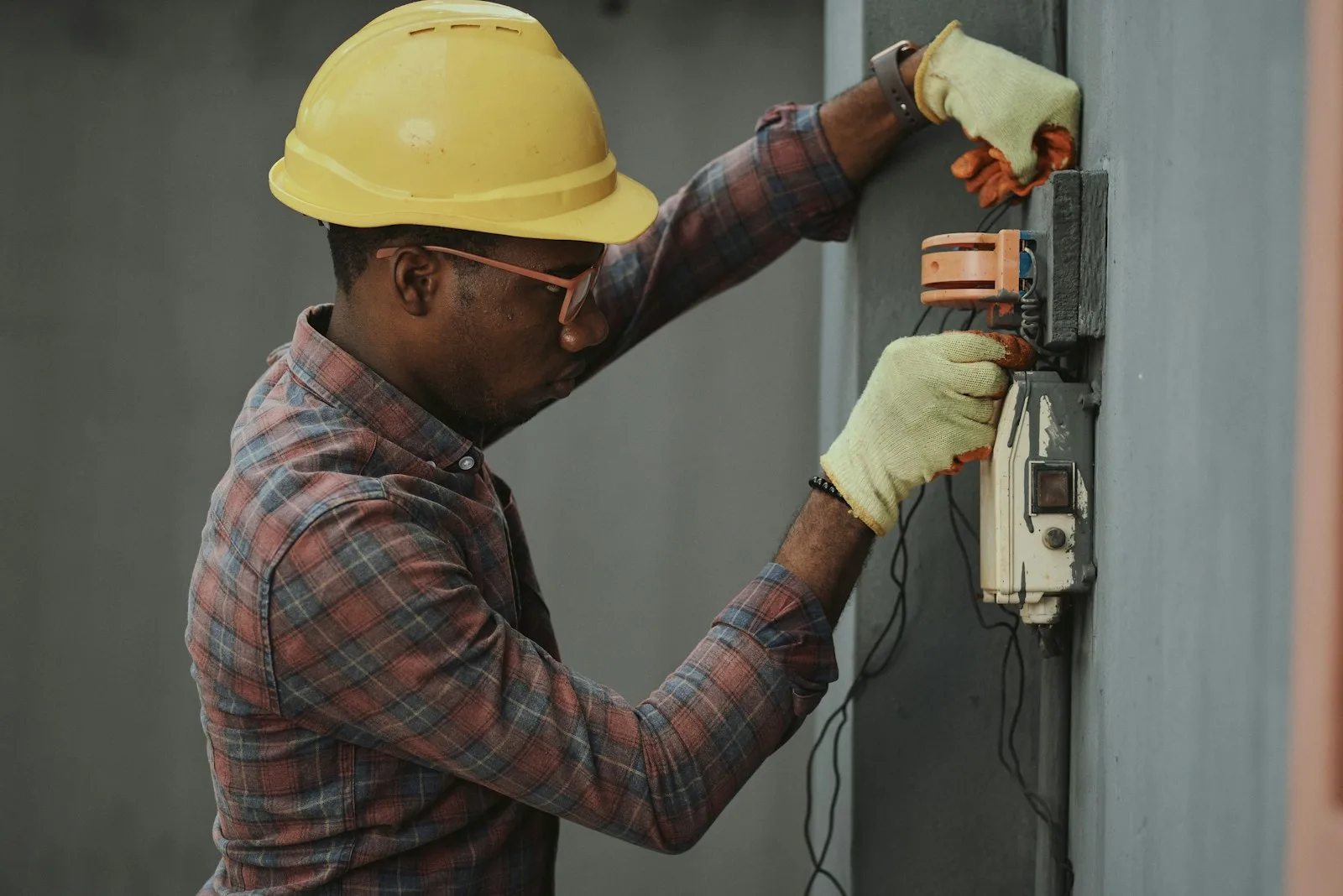
Water heater installation isn’t purely a plumbing job. Electric water heaters need proper wiring and often a dedicated circuit. Gas units require gas line connections and proper venting. Tankless units, especially electric ones, frequently need electrical panel upgrades to handle the increased load. This is where working with a dual trade contractor makes a real difference.
Hiring separate plumbers and electricians for the same job means coordinating schedules, paying two service calls, and hoping both contractors communicate well with each other. A company licensed in both trades handles everything in one visit with one point of accountability. PowerRoute Electric holds both C-10 electrical and C-36 plumbing licenses and has served Pasadena homeowners since 2014.
Water Heater Considerations for Pasadena Homes
A few local factors affect water heater performance and longevity in Pasadena:
Hard water: Pasadena Water and Power delivers water that varies in mineral content depending on the source. Hard water accelerates sediment buildup in tank water heaters, shortening their lifespan. Annual flushing helps, and some homeowners install water softeners to address the issue at the source.
Older homes, older systems: Many Pasadena homes were built decades ago with electrical panels sized for the appliances of that era. If you’re upgrading to a tankless electric water heater or a heat pump unit, your panel may need an upgrade to handle the additional demand.
Rebates and incentives: Energy-efficient water heaters, especially heat pump models, often qualify for rebates through local utilities and state programs. The Database of State Incentives for Renewables & Efficiency (DSIRE) is a good resource for finding current offers. Permit requirements: The City of Pasadena Building and Safety Division requires permits for water heater replacement. A licensed contractor handles the permit process as part of the job, ensuring the installation meets code and passes inspection.
Frequently Asked Questions
How long do water heaters last?
Tank water heaters typically last 10 to 15 years with proper maintenance. Tankless units often last 20 years or more. Hard water, usage patterns, and whether the unit receives regular maintenance all affect lifespan.
How do I know what size water heater I need?
For tank water heaters, a 40-gallon unit works for one to two people, 50 gallons for two to three people, and 80 gallons for larger households. Tankless sizing is based on flow rate and temperature rise, so a professional assessment is helpful.
Is a tankless water heater worth the extra cost?
It depends on your situation. Tankless units cost more upfront but save money over time through lower energy bills and longer lifespan. They make sense for households with high hot water demand or homeowners planning to stay in the home long enough to recoup the investment.
Do I need a permit to replace my water heater in Pasadena?
Yes. The City of Pasadena requires permits for water heater installation or replacement. Your contractor should pull the permit and schedule the inspection as part of the job.
Get Your Water Heater Fixed or Replaced
Whether you need a quick repair or a full replacement, getting the job done right matters. Water heater work touches both plumbing and electrical systems, so working with a contractor licensed in both trades simplifies the process and ensures everything is done to code.
PowerRoute Electric & Plumbing serves Pasadena and surrounding areas with both plumbing and electrical services. If your water heater is giving you trouble, contact us for a free estimate. With 46 five-star reviews and over a decade serving Pasadena, PowerRoute Electric & Plumbing handles both the electrical and plumbing side of your water heater project. Contact us for a free estimate.